Does Cold Water Make Your Tooth Zing? How to Tell Harmless Sensitivity from Nerve Trouble in CBD Belapur
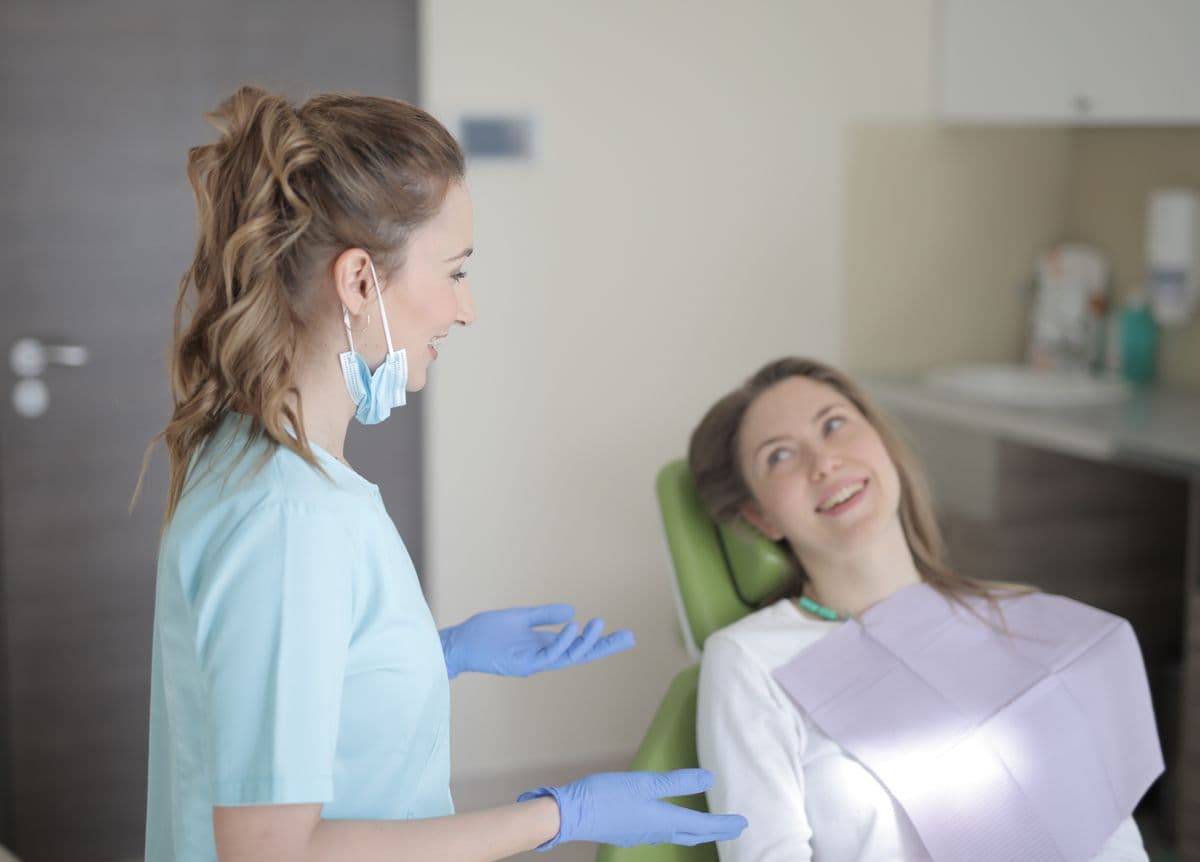
Tooth sensitivity to hot and cold usually starts the same way. A sip of cold water on a warm afternoon in Belapur, and one tooth lights up like someone touched a live wire. Then it's gone, and you wonder if you imagined it. At Dr. Wendy's Dental Clinic in CBD Belapur, it's one of the questions we hear most. Most of the time it's harmless. Sometimes it's the nerve talking. Here's how to tell the difference.
Why Does My Tooth Hurt With Cold Water?
Every tooth has a hard white coat of enamel on the outside. Underneath sits dentin, a softer layer full of microscopic channels that lead towards the nerve. When enamel wears thin, or the gum pulls back and exposes the root, cold water, chai or a spoon of ice cream reaches those channels directly. The nerve notices, and you feel the zing.
That's the whole mechanism. It's not a sign that your tooth is dying. It's a sign that something is protecting it less than it used to. The usual suspects:
- Brushing too hard, or with a hard-bristled brush, which wears enamel and pushes gums back
- Gum recession, which exposes the root surface
- Acidic drinks sipped through the day, such as colas, packaged juices and even a lot of nimbu pani
- Clenching or grinding at night, which chips away at enamel (we cover this in our night guard and teeth grinding guide)
- A recent cleaning, filling or whitening session, where short-term sensitivity is normal
The Zing vs Linger Test: Sensitivity or Nerve Trouble?
If you remember one thing from this post, make it this. How long the pain lasts matters more than how sharp it is.
A quick zing that vanishes within a few seconds of the cold or heat leaving is the typical pattern of exposed dentin. Annoying, but usually manageable. Pain that hangs around after the trigger is gone, throbs on its own, or wakes you at night points somewhere else. That's more often the nerve inside the tooth, and it needs a proper look.
| What you notice | What it usually points to | What to do |
|---|---|---|
| A sharp zing for a few seconds, then nothing | Exposed dentin from worn enamel or receding gums | Try the home steps below, book a routine checkup |
| Sensitivity to sweet things as well as cold | Could be early decay or a leaking old filling | Book a checkup within a few weeks |
| Pain that lingers for a minute or more after hot or cold | The nerve inside the tooth may be inflamed | Book a visit this week |
| Pain when you let go of a bite, or a tooth that hurts on its own | Possibly a cracked tooth or a deeper problem | Book soon, and read about cracked teeth |
| Throbbing at night, swelling, or a bad taste | Possible infection | Same-day visit |
Sensitivity Toothpaste: When It's Enough
Here's the honest part. If your pattern is the short zing, you may not need to come in yet. Switch to a soft brush, brush gently in small circles instead of scrubbing side to side, and use a desensitising toothpaste twice a day. Leave the paste on your teeth for a minute after brushing instead of rinsing straight away. Cut back on fizzy drinks, or at least finish them quickly instead of sipping for an hour.
Give it a few weeks. Many people notice the zing fading over that time. If it does, you've solved it for the price of a tube of toothpaste. That's a perfectly good outcome.
If there's no change after a few weeks, or it's getting worse, the toothpaste isn't the answer. Something specific is causing it, and a dentist needs to find out what. Gum recession, for example, sometimes needs more than toothpaste, and in advanced cases a gum graft protects the exposed root.
When Sensitivity Is a Sign the Nerve Needs Help
Sometimes the cause sits deeper than enamel. A cavity that has crept close to the nerve, a crack you can't see, or a filling that has started leaking can all irritate the pulp, which is the living tissue inside the tooth. At first the nerve is only inflamed. That's the stage where lingering cold sensitivity shows up, and it's also the stage where a tooth is easiest to save.
This is where Dr. Wendy's training matters. She is a specialist endodontist, which means the nerve inside the tooth is what she works on every day. Her approach is conservation-first: find the real cause, fix that, and keep the natural tooth for as long as possible. In practice the ladder usually looks like this:
- Protect the exposed surface: sensitivity treatment, a proper filling or fixing a leaking one
- Calm the cause: a night guard for grinding, better brushing habits, gum treatment if the gums are involved
- Treat the nerve if it is genuinely damaged: a root canal by a specialist, which keeps your tooth in your mouth
- Extraction only if the tooth truly cannot be saved, and implants only after that
What Happens When You Come In
Nothing dramatic. We ask which tooth bothers you, what sets it off and how long it lasts. We then test the tooth with something cold, tap on it, check how you bite, and take a small X-ray. That usually tells us whether we're dealing with exposed dentin, a filling problem or a nerve that needs treatment. You'll get a plain explanation and a clear next step, not a menu of treatments you didn't ask for.
If it turns out the nerve is involved, our root canal treatment in CBD Belapur is done by a specialist, and most root canals are far less dramatic than their reputation. Yes, root canals have a bad name. Most of it is outdated. If you want to know what the symptoms of a damaged nerve look like in full, our guide to the signs you need a root canal covers them one by one.
Dr. Wendy's Dental Clinic is in Sector 1, CBD Belapur, a short walk from Belapur railway station, with 200+ Google reviews at a 5.0 rating and 342+ reviews across platforms. For a neutral second source on causes and treatment, the Cleveland Clinic's overview of sensitive teeth is worth a read. And if your tooth is sending you signals that don't fit anything here, don't sit on it. Showing up early is how teeth get saved.
Frequently Asked Questions
Not Sure Which Kind of Sensitivity You Have?
WhatsApp Dr. Wendy's team, tell us which tooth it is and how long the zing lasts, and you'll get an honest answer on whether it can wait or needs a look. No pressure, no sales pitch. Dr. Wendy's Dental Clinic, Shop No 33, Sector-1 Shopping Complex, Police Line, Sector 1, CBD Belapur, Navi Mumbai 400614. Open Mon to Sat: 10am to 1pm and 5pm to 9pm. Call +91 8355908530